
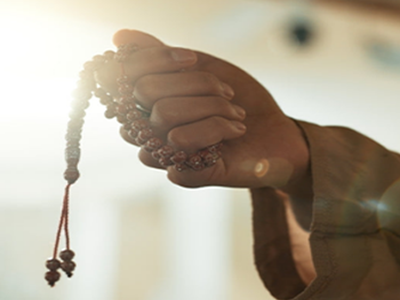
Grounded Revival in the Press: Discover interviews, features, and media coverage highlighting our tasbih beads, faith-inspired jewelry, and commitment to mindful, intentional spirituality.
Grounded Revival has been featured across multiple platforms, showcasing our journey, design approach, and mission to support remembrance and spiritual focus in daily life.
Featured Articles & Interviews
Grounded Revival on Air | Suzie Qualle
Our founder Suzie Qualle shared insights about Grounded Revival, our tasbih beads, and the importance of faith-centered products.
Cordillera Film Festival | Pendant Tasbihs
Grounded Revival was highlighted for our pendant tasbih designs, recognized for their balance of craftsmanship and spiritual purpose.
It Takes a Village to Change Careers
Our story was featured in an article on career transitions and community support, highlighting the path behind Grounded Revival.
Filling the Gap in Faith & Fashion
This feature explored how Grounded Revival bridges faith and design, creating pieces that support prayer, reflection, and intentional living.
The Rise of the Female Entrepreneur | Grounded Revival
Suzie Qualle was featured in a series on female entrepreneurship, sharing lessons from building a faith-centered brand.
Partnership with Penny Appeal | Grounded Revival
Our partnership with Penny Appeal highlighted our commitment to giving back through faith-driven initiatives.
FAQs About Grounded Revival in the Press
What type of media coverage has Grounded Revival received?
Grounded Revival has been featured in interviews, articles, and media highlights focused on tasbih beads, mindful jewelry, and faith-based entrepreneurship.
Does Grounded Revival collaborate with charitable organizations?
Yes. Partnerships such as Penny Appeal reflect our commitment to community impact.
Who is the founder of Grounded Revival?
Suzie Qualle, founder of Grounded Revival, focuses on creating tools that support remembrance and intentional spiritual practice.
What are tasbih prayer beads?
What is a tasbih?
A tasbih is a set of Islamic prayer beads used to support dhikr (remembrance of Allah) by helping Muslims count repeated phrases like SubhanAllah, Alhamdulillah, and Allahu Akbar.
What are tasbih beads used for?
They are used to maintain focus, rhythm, and consistency during dhikr, especially after prayer or during daily remembrance.
Do you need tasbih for dhikr?
No. Dhikr can be done using fingers, but tasbih help structure repetition and improve concentration.
Islamic tasbih prayer beads, also known as misbaha, are counting beads used by Muslims during dhikr — the remembrance of Allah. They serve as a structured and tactile aid for reciting phrases of praise, gratitude, and devotion.
While dhikr can be performed without tools, tasbih help maintain focus, rhythm, and consistency in daily remembrance.
To understand the spiritual foundation behind this practice, read the Complete Guide to Dhikr in Islam.
Muslim woman using islamic prayer beads
What Is a Tasbih?
A tasbih typically consists of:
33 beads (for shorter cycles of remembrance)
99 beads (representing structured dhikr cycles)
A separator or marker bead
A tassel or finishing detail
The beads are strung together and looped, with a central marker indicating cycle completion. Tasbih are widely used across Muslim communities, though some prefer counting on their fingers. The tool is secondary — intention remains primary.
How to Perform Dhikr With Tasbih
Hold the separator bead between your thumb and index finger.
Move one bead at a time while reciting a phrase.
Complete 33 or 99 repetitions depending on intention.
Common dhikr phrases include:
SubhanAllah (Glory be to Allah)
Alhamdulillah (Praise be to Allah)
Allahu Akbar (Allah is the Greatest)
La ilaha illallah (There is no god but Allah)
For structured recitation guidance, see our tasbih recitation guide.
For deeper understanding of dhikr practice, explore essential dhikr phrases.
Why Muslims Use Tasbih Prayer Beads
Structured Remembrance
They help maintain accurate count without mental distraction.
Increased Focus
Repetition creates rhythm that supports mindful remembrance.
Consistency in Daily Dhikr
They help build sustainable daily spiritual habits.
Support After Prayer
Many Muslims perform dhikr after salah, often reciting SubhanAllah, Alhamdulillah, and Allahu Akbar in structured repetition (Sahih Muslim).
Calming Effect
Tactile movement encourages presence and emotional grounding.
Learn more in our complete tasbih guide.
How Many Beads Are in a Tasbih?
33-bead sets
99-bead sets
Occasionally 100-bead variations
Each configuration supports structured cycles of remembrance.
Who Uses Tasbih?
Tasbih are used by Muslims of all ages. Some prefer full strands, others bracelet-style versions for portability.
They are used during prayer, reflection, and daily remembrance.
What Makes a Quality Tasbih?
Strong, durable cording
Secure knotting technique
Balanced bead spacing
Comfortable weight and feel
Handmade tasbih often offer greater durability and consistency in use.
At Grounded Revival, tasbih are hand-made using high-tensile cord to support long-term daily use.
Explore the Tasbih Collection.
The Role of Tasbih in Daily Worship
Tasbih act as practical tools that support dhikr — helping transform remembrance of Allah into a consistent daily habit.
They connect physical action with spiritual intention, reinforcing focus during remembrance.
Faith. Remembered.